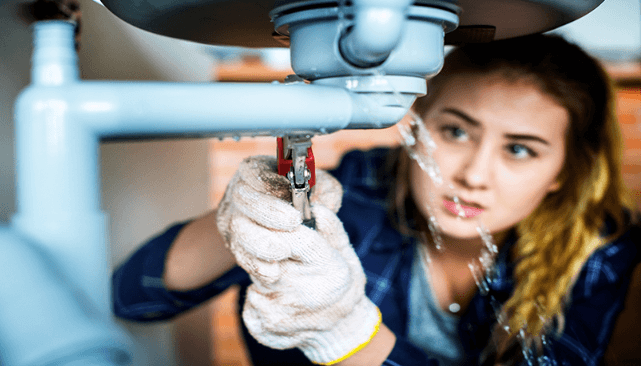

Essential skills for plumbers center on diagnostic acuity, material literacy, and strict safety. Reliable leak and blockage tests rely on evidence-based methods and clear reporting. Durable piping depends on careful material selection, compatible fittings, and solid joining techniques, including soldering and threading. Codes, safety standards, and formal testing guide every job. Efficient workflow and ongoing learning support durable results. This foundation invites a closer look at methods, tools, and practices that keep projects compliant and results lasting.
Mastering Diagnostic Skills for Leaks and Blockages
Diagnostic skill is the cornerstone of effective plumbing, enabling technicians to identify leaks and blockages quickly and accurately.
In practice, professionals deploy targeted leak detection diagnostics to locate hidden seepage and pressure anomalies, while blockage diagnosis techniques reveal obstructions in pipes and fixtures.
The approach emphasizes evidence, repeatable tests, and clear reporting, ensuring reliable decisions and sustainable, freedom-oriented plumbing outcomes.
Materials, Tools, and Techniques for Durable Piping
Materials, tools, and techniques for durable piping require careful selection of compatible pipe materials, fittings, and joining methods tailored to anticipated pressures, temperatures, and environmental conditions. The discussion emphasizes practical reliability over novelty, detailing soldering techniques for secure joints and pipe threading for robust connections. Precision guidance aids craftsmen who value freedom in choosing appropriate tools, materials, and proven methods.
Safety, Codes, and Quality Standards Every Plumber Follows
Safety, codes, and quality standards guide every professional plumber’s practice, ensuring consistent, compliant work across residential, commercial, and industrial settings.
The discussion emphasizes safety culture and code compliance, with formal procedures that support consistent outcomes.
Rigorous quality testing verifies performance, while workflow optimization reduces risk and waste.
Precision, reliability, and clarity underpin daily decisions, aligning craftsmanship with statutory expectations and industry best practices.
See also: Cross-Chain Technology in Crypto
Communication, Time Management, and Ongoing Learning on the Job
Effective communication, disciplined time management, and a commitment to ongoing learning form the core of practical plumbing on the job. The approach emphasizes clear communication strategies, durable workflows, and measured progress.
Time budgeting supports efficient task sequencing, reduces downtime, and improves client trust.
Ongoing learning remains active through hands-on practice, update reviews, and reflective audits, ensuring dependable, scalable performance under dynamic field conditions.
Conclusion
In the quiet hum of a working site, the plumber’s craft resembles a practiced craftsman’s rhythm: questions precede answers, tests precede certainty. Like a lighthouse guiding ships through murky currents, diagnostic clarity illuminates hidden faults; material literacy ensures joints endure the tide; safety maps the voyage, keeping crews steady. With disciplined communication and reflection, workmanship becomes immutable, enduring as stone. When standards are met and methods repeated, reliability remains the final, unspoken promise to every home and future project.